Thymalin
Also known as: Thymalin
A thymic peptide preparation developed in the Soviet bioregulator program. Used in Russia for decades as an immune support adjunct; Western trial data is sparse.
Overview
Thymalin is a fraction of thymic extracts originally formulated under the Khavinson school of "peptide bioregulators". It has been used clinically in Russia and post-Soviet states for over thirty years, mostly as an immune adjunct in chronic infection, post-surgical recovery, and the frail elderly. The Western evidence picture is much thinner — most of the published work is Russian-language, from the original research groups, and would not meet modern multi-centre trial standards. That does not make it useless, but it does mean the Western longevity community treating Thymalin as well-established is overstating the case. The protocol structure (10-day pulse, repeat once or twice yearly) is unusual and reflects the bioregulator philosophy: short signal, long recovery.
Evidence quality
Decades of Russian clinical use, with most peer-reviewed work from the Khavinson group at the St. Petersburg Institute of Bioregulation and Gerontology. Studies in elderly populations have reported improvements in immune markers and reductions in infection frequency over follow-up periods of months to years. The trial designs, sample sizes, and blinding standards rarely match Western RCT conventions, and independent replication outside the originating research network is limited.
Benefits & timeline
Benefits
- Supports T-cell maturation and thymic function in the elderly — relevant because thymus involution is a real feature of immunosenescence
- Reported reductions in recurrent infection frequency in older patients in Russian clinical work
- Short-pulse protocol means low total drug exposure compared to most peptides — a feature for cautious users
- Often paired with Thymosin Alpha-1 in stack protocols for broader thymic coverage
Timeline
Day 1–10
Daily injection course. Most users feel little acute change during the course itself.
Week 3–4
Subjective immune resilience often described as a vaguer "I'm not catching the colds my family has" rather than a felt energy shift.
Month 2–3
Reported peak effect window — recurrent infection patterns, if they shift, shift here.
Month 6+
Repeat course once or twice yearly. Daily long-term dosing is not the protocol.
Dosage protocols
Advanced
10 mg
daily for 14 days
Beginner
5 mg
daily for 10 days
Standard
10 mg
daily for 10 days
Titration & adjustment
Khavinson short-course protocol: 10 mg subcutaneously daily for 10 days. Repeat once or twice yearly. No long-term daily dosing.
Injection timing
Once daily, evening, subcutaneous. 10-day course only.
Side effects & contraindications

- mildInjection-site soreness or mild redness — the most common complaint.
- mildTransient low-grade flu-like feeling in the first 2–3 days as immune signalling shifts.
- moderateTheoretical risk in autoimmune disease — boosting T-cell function in someone whose T-cells are already attacking self is the wrong direction.
- moderateLong-term Western safety data is sparse. The Russian post-marketing experience is long but documented in a regulatory framework that does not match EMA/FDA standards.
Contraindications
- Active autoimmune disease (lupus, MS, RA flare) — the mechanism works in the wrong direction here
- Organ transplant recipients on immunosuppression — actively counterproductive
- Pregnancy and breastfeeding
- Active cancer where immunotherapy is part of the regimen — coordinate with the oncologist before adding anything immune-modulating
Reconstitution & injection
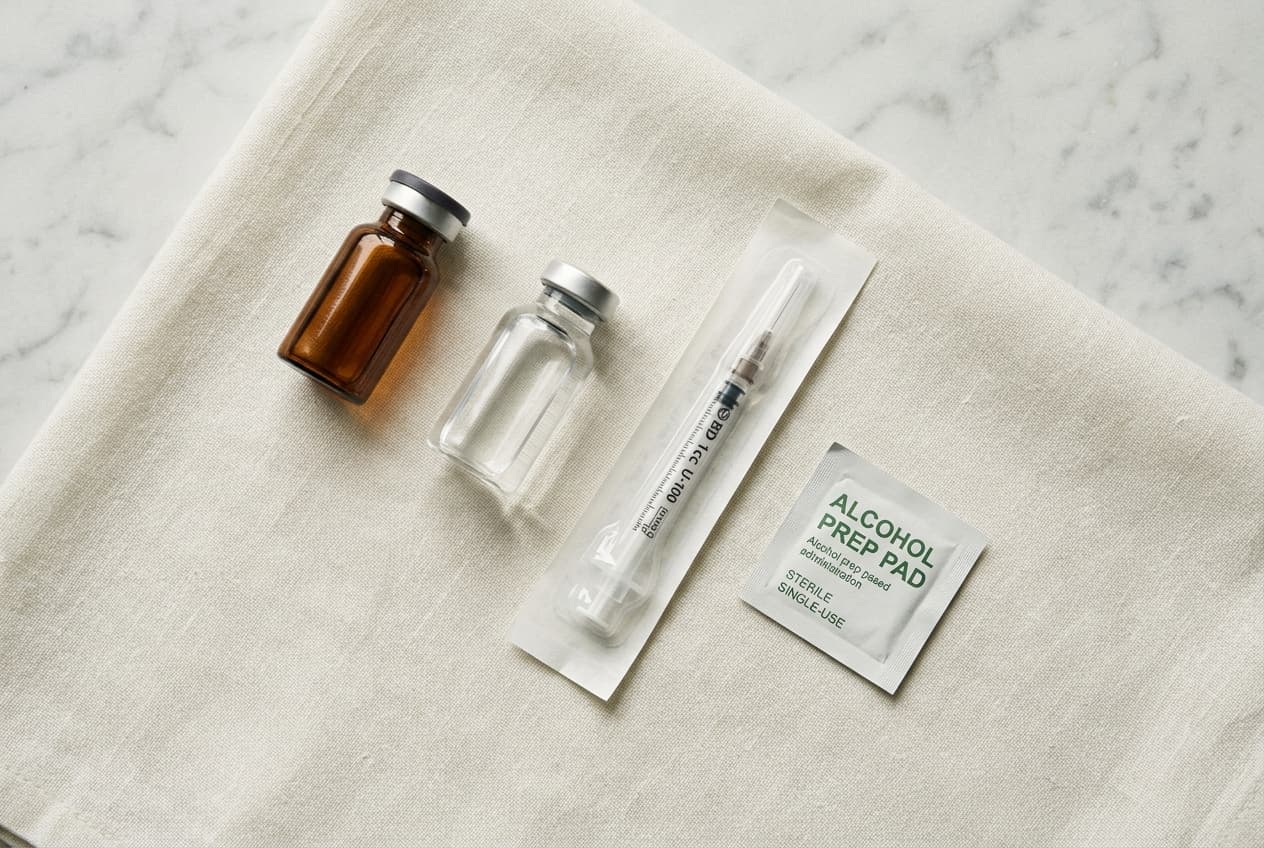
A 10 mg vial mixed with 2 ml bacteriostatic water gives 5 mg per ml. A 10 mg dose is 2 ml — too much for a standard insulin syringe, so use a 3 ml syringe with a small-gauge needle, or split into two injections. Subcutaneous, abdomen or thigh, once daily for 10 days. Refrigerate during the course; the full vial is consumed quickly in a 10-day protocol so degradation concerns are minimal.
Open calculator pre-filledStorage after reconstitution
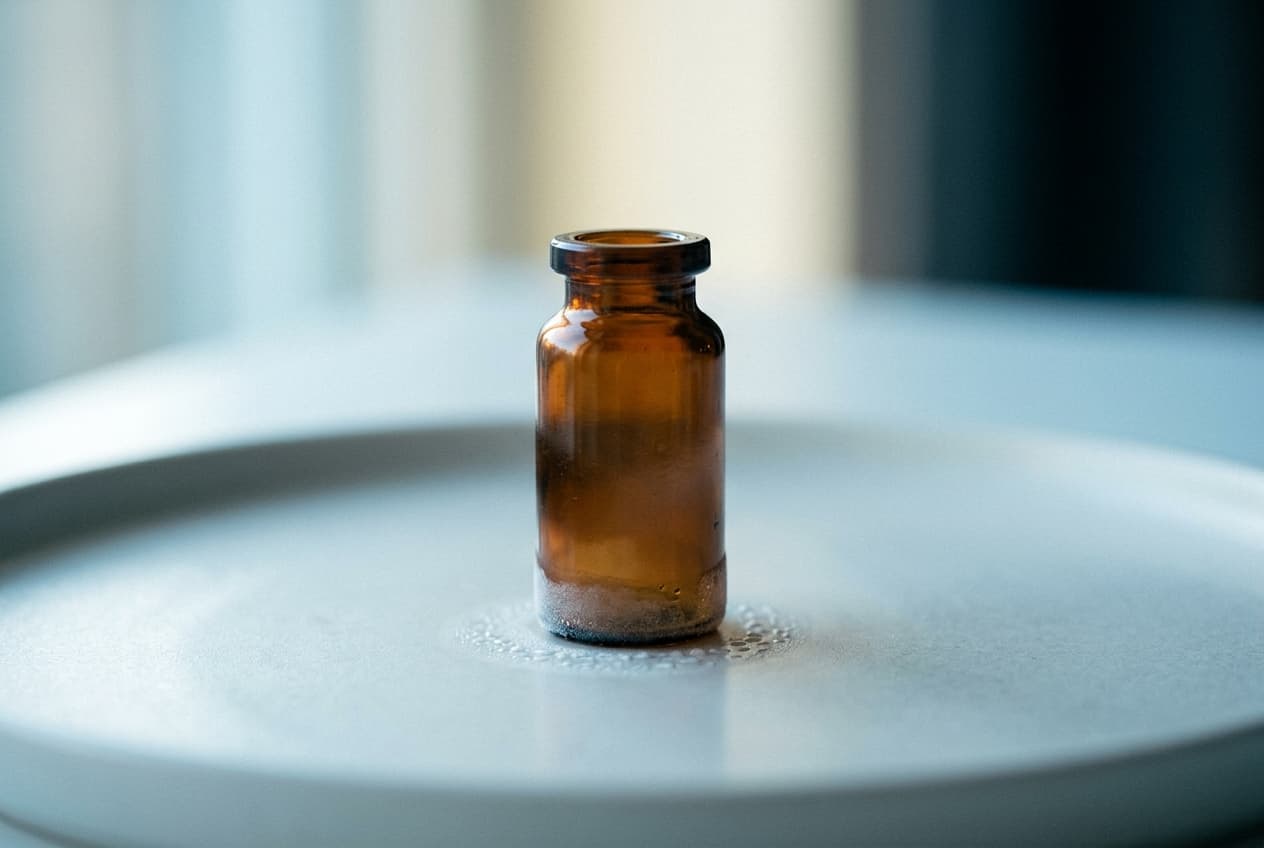
Refrigerate at 2–8 °C after reconstitution. Do not freeze. Light-protected. 28–30 days of stability at fridge temperature in BAC water. Because the protocol is a 10-day course only, a single mix typically covers the entire course with vial leftovers; discard remainder at the end of the course rather than holding for the next round.
Common mistakes
Running it daily long-term like a typical peptide.
Better approach: The bioregulator protocol is deliberately a short pulse with a long gap. Daily long-term dosing is outside the framework the peptide was studied within and there is no evidence it improves outcomes. 10 days on, six months off.
Adding it during an active autoimmune flare "to support the immune system".
Better approach: Autoimmune disease is an immune system that is already overactive against the wrong targets. Supporting it further makes the problem worse. Get the flare under control first, and discuss with a clinician whether any immune-modulating peptide is appropriate.
Treating Thymalin and Thymosin Alpha-1 as interchangeable.
Better approach: They are not. Thymosin Alpha-1 is a single defined 28-amino-acid sequence with approved clinical use in several countries. Thymalin is a fraction containing multiple peptides, less well-characterised, with regional approval at best. Choose deliberately, not based on "this one was cheaper".
Real-world tips
- Plan the 10-day course around a calmer schedule. The mild flu-like feeling in the first few days is real for some users.
- Track infection frequency for 3 months after the course. The benefit is statistical, not acute.
- Refrigerate the vial during the course; you will finish it within a week and a half.
- If pairing with Thymosin Alpha-1, separate the injection sites and do not start both peptides on the same day — you want to attribute any reaction to the right molecule.
- Twice yearly is the maximum cadence. More frequent repetition is not supported and may saturate the signal.
When something else is the better tool
Thymosin Alpha-1
Use instead when: You want the better-characterised thymic peptide with approved indications in multiple countries and a cleaner trial record. Thymosin Alpha-1 is the more honest pick if Western evidence quality matters to you. The trade-off is cost.
LL-37
Use instead when: The use case is active or recurrent infection rather than general immune resilience. LL-37 is direct antimicrobial activity; Thymalin is upstream immune support. Different tools.
Vaccination and basic infection-control habits
Use instead when: Always. If you are running thymic peptides because you keep catching colds, fix sleep, get your annual flu shot, and wash your hands before reaching for the syringe. The peptide effect is incremental on top of the basics.
- Is this the same as Thymosin Alpha-1?
- No. Thymalin is a fraction containing multiple thymic peptides; Thymosin Alpha-1 is a single defined sequence. They overlap conceptually but they are not interchangeable, and the evidence picture differs.
- Why so few injections?
- The Khavinson bioregulator model treats peptides as short signals that prompt a longer downstream effect, rather than maintenance hormones. Whether that model is correct is debated, but it is the framework Thymalin was developed within and the protocol reflects it.
- Is it banned anywhere?
- No major sports body has it on a current prohibited list as a standalone substance, but specific T-cell-stimulating compounds are scrutinised case by case. If you compete in a tested sport, check before you inject.
- Can I get it at a Western pharmacy?
- Generally no. Thymalin is approved in Russia and some neighbouring countries but not in the EU, US, or UK. Most users obtain it through research-grade peptide suppliers, which means you are taking on the supply-chain risk yourself.